Why No Doses Are Listed: What It Means Even For A Well-Researched Formula
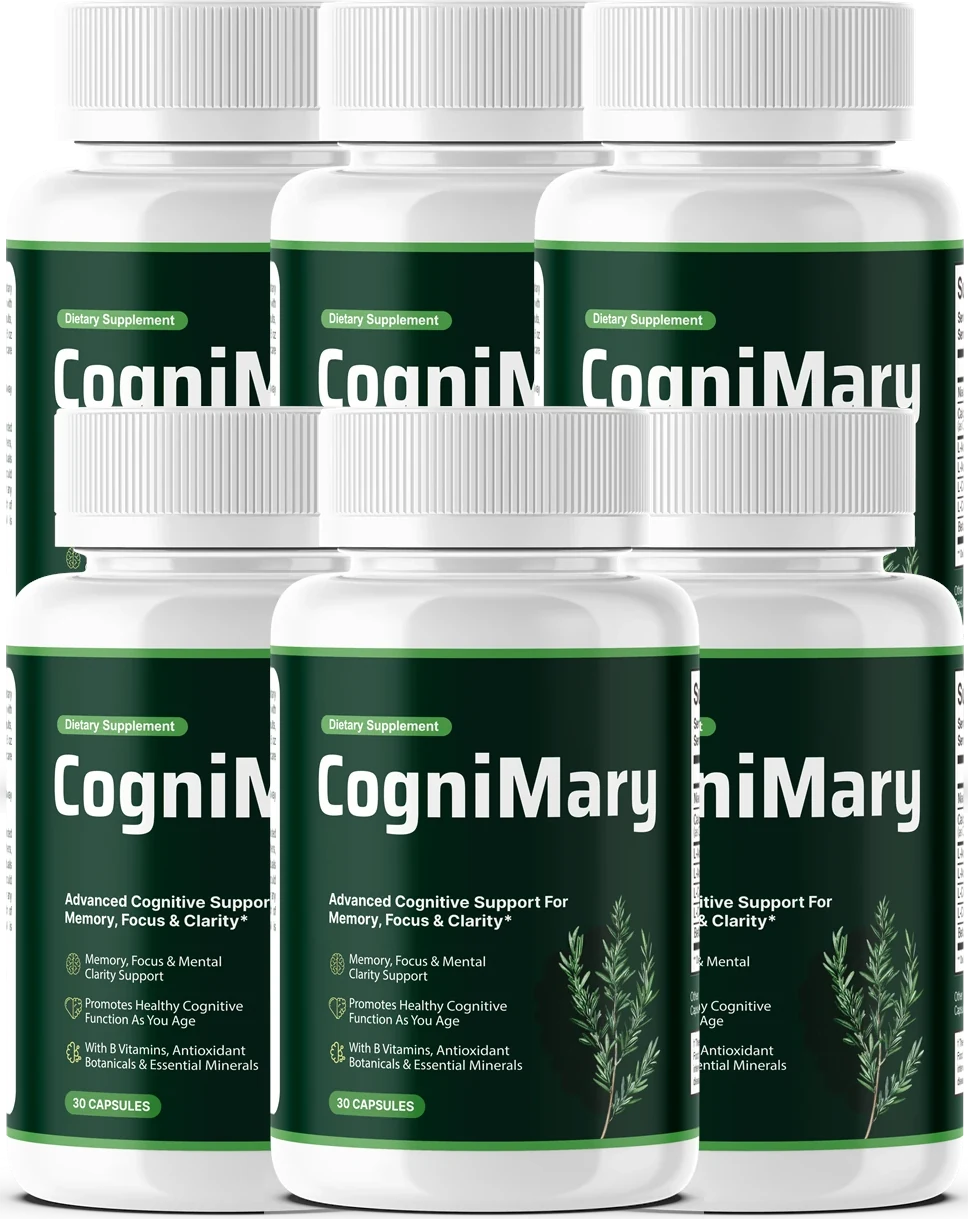
CogniMary's four core ingredients are genuinely well-researched, but none carry a stated milligram amount in this specific product.
Understanding why strong ingredient research doesn't automatically translate to a strong finished product.
Two different questions, often confused
Is the ingredient well-researched? For CogniMary's four core actives, genuinely yes — each has a substantial published research base, including meta-analyses and randomized controlled trials.
Does the finished product contain a research-relevant amount? This is a separate question entirely, and without a stated dose, it can't be answered from the outside.
Why this distinction matters here specifically
CogniMary is one of the better examples we've seen of strong ingredient science paired with weak dosing transparency. The published Bacopa and Ginkgo research, for example, typically uses standardized extracts at specific milligram amounts. A formula could include a tiny, ineffective trace of either ingredient and still legitimately list it on the label — the name alone doesn't guarantee a meaningful amount.
How to weigh this as a buyer
Strong ingredient research is a genuine positive signal — it means the brand chose defensible, well-precedented actives rather than obscure or unstudied ones. But it should be weighed alongside, not instead of, dosing transparency. A well-researched ingredient at an unknown, possibly trivial amount is not the same claim as a well-researched ingredient at a confirmed, clinically relevant dose.
Applying this to CogniMary
All four CogniMary core ingredients are well-established choices, even though none carry a stated dose. See our full 90-day assessment for how this weighs against the formula overall.